Bedsore Surgery in Goa
Bedsores — also called pressure ulcers and decubitus ulcers — are injuries to skin and underlying tissue resulting from prolonged pressure on the skin. Bedsores most often develop on skin that covers bony areas of the body, such as the heels, ankles, hips and tailbone.
About Bedsore Surgery
People most at risk of bedsores have medical conditions that limit their ability to change positions or cause them to spend most of their time in a bed or chair.
Bedsores can develop over hours or days. Most sores heal with treatment, but some never heal completely. You can take steps to help prevent bedsores and help them heal.
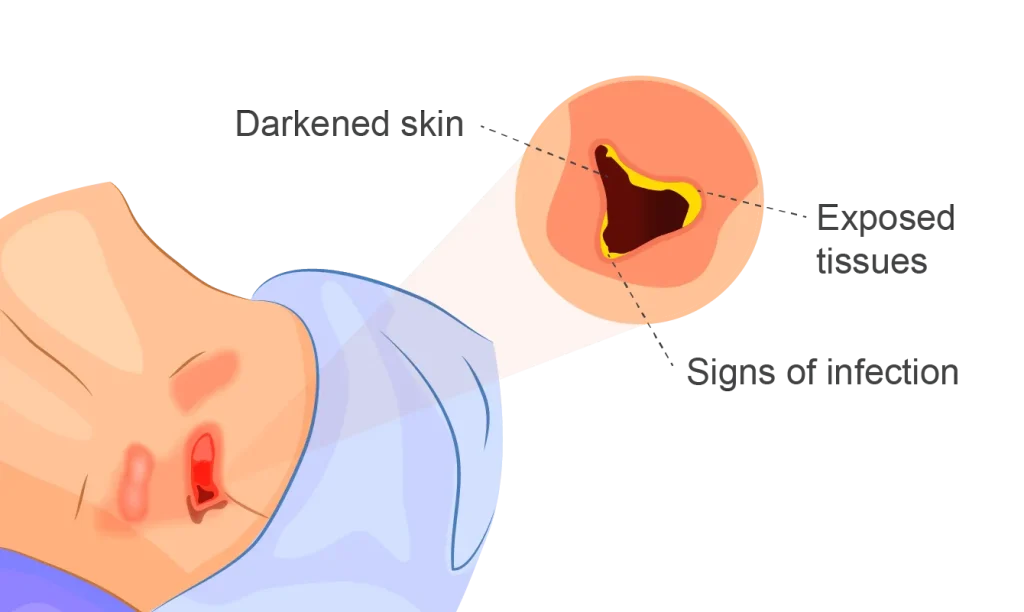
Symptoms
Warning signs of bedsores or pressure ulcers are:
- Unusual changes in skin color or texture
- Swelling
- Pus-like draining
- An area of skin that feels cooler or warmer to the touch than other areas
- Tender areas
Bedsores fall into one of several stages based on their depth, severity and other characteristics. The degree of skin and tissue damage ranges from changes in skin color to a deep injury involving muscle and bone.
Common sites of pressure ulcers
For people who use wheelchairs, bedsores often occur on skin over the following sites:
- Tailbone or buttocks
- Shoulder blades and spine
- Backs of arms and legs where they rest against the chair
For people who need to stay in bed, bedsores may happen on:
- The back or sides of the head
- The shoulder blades
- The hip, lower back or tailbone
- The heels, ankles and skin behind the knees
When to see a doctor
If you notice warning signs of a bedsore, change your position to relieve the pressure on the area. If you don’t see improvement in 24 to 48 hours, contact your doctor.
Seek immediate medical care if you show signs of infection, such as a fever, drainage from a sore, a sore that smells bad, changes in skin color, warmth or swelling around a sore.
Causes
Bedsores are caused by pressure against the skin that limits blood flow to the skin. Limited movement can make skin vulnerable to damage and lead to development of bedsores.
Three primary contributing factors for bedsores are:
- Pressure. Constant pressure on any part of your body can lessen the blood flow to tissues. Blood flow is essential for delivering oxygen and other nutrients to tissues. Without these essential nutrients, skin and nearby tissues are damaged and might eventually die.
For people with limited mobility, this kind of pressure tends to happen in areas that aren’t well padded with muscle or fat and that lie over a bone, such as the spine, tailbone, shoulder blades, hips, heels and elbows. - Friction. Friction occurs when the skin rubs against clothing or bedding. It can make fragile skin more vulnerable to injury, especially if the skin is also moist.
- Shear. Shear occurs when two surfaces move in the opposite direction. For example, when a bed is elevated at the head, you can slide down in bed. As the tailbone moves down, the skin over the bone might stay in place — essentially pulling in the opposite direction.
Risk factors
Your risk of developing bedsores is higher if you have difficulty moving and can’t change position easily while seated or in bed. Risk factors include:
- Immobility. This might be due to poor health, spinal cord injury and other causes.
- Incontinence. Skin becomes more vulnerable with extended exposure to urine and stool.
- Lack of sensory perception. Spinal cord injuries, neurological disorders and other conditions can result in a loss of sensation. An inability to feel pain or discomfort can result in not being aware of warning signs and the need to change position.
- Poor nutrition and hydration. People need enough fluids, calories, protein, vitamins and minerals in their daily diets to maintain healthy skin and prevent the breakdown of tissues.
- Medical conditions affecting blood flow. Health problems that can affect blood flow, such as diabetes and vascular disease, can increase the risk of tissue damage such as bedsores
Have a Question ?
Reach out to know more details about the treatment.
Prevention
You can help prevent bedsores by frequently repositioning yourself to avoid stress on the skin. Other strategies include taking good care of your skin, maintaining good nutrition and fluid intake, quitting smoking, managing stress, and exercising daily.
Tips for repositioning
Consider the following recommendations related to repositioning in a bed or chair:
- Shift your weight frequently: Ask for help with repositioning about once an hour.
- Lift yourself, if possible: If you have enough upper body strength, do wheelchair pushups — raising your body off the seat by pushing on the arms of the chair.
- Look into a specialty wheelchair: Some wheelchairs allow you to tilt them, which can relieve pressure.
- Select cushions or a mattress that relieves pressure: Use cushions or a special mattress to relieve pressure and help ensure that your body is well positioned. Do not use doughnut cushions, as they can focus pressure on surrounding tissue.
- Adjust the elevation of your bed: If your bed can be elevated at the head, raise it no more than 30 degrees. This helps prevent shearing.
Complications
Complications of pressure ulcers, some life-threatening, include:
- Cellulitis. Cellulitis is an infection of the skin and connected soft tissues. It can cause warmth, inflammation and swelling of the affected area. People with nerve damage often do not feel pain in the area affected by cellulitis.
- Bone and joint infections. An infection from a pressure sore can burrow into joints and bones. Joint infections (septic arthritis) can damage cartilage and tissue. Bone infections (osteomyelitis) can reduce the function of joints and limbs.
- Cancer. Long-term, nonhealing wounds (Marjolin’s ulcers) can develop into a type of squamous cell carcinoma.
- Sepsis. Rarely, a skin ulcer leads to sepsis.
Treatment
Treating pressure ulcers involves reducing pressure on the affected skin, caring for wounds, controlling pain, preventing infection and maintaining good nutrition.
Reducing pressure
The first step in treating a bedsore is reducing the pressure and friction that caused it. Strategies include:
- Repositioning. If you have a bedsore, turn and change your position often. How often you reposition depends on your condition and the quality of the surface you are on.
- Using support surfaces. Use a mattress, bed and special cushions that help you sit or lie in a way that protects vulnerable skin.
Cleaning and dressing wounds
Care for pressure ulcers depends on how deep the wound is. Generally, cleaning and dressing a wound includes the following:
- Cleaning. If the affected skin isn’t broken, wash it with a gentle cleanser and pat dry. Clean open sores with water or a saltwater (saline) solution each time the dressing is changed.
- Putting on a bandage. A bandage speeds healing by keeping the wound moist. It also creates a barrier against infection and keeps skin around it dry. Bandage choices include films, gauzes, gels, foams and treated coverings. You might need a combination of dressings.
Removing damaged tissue
To heal properly, wounds need to be free of damaged, dead or infected tissue. The doctor or nurse may remove damaged tissue (debride) by gently flushing the wound with water or cutting out damaged tissue.
Surgery
A large bedsore that fails to heal might require surgery. One method of surgical repair is to use a pad of your muscle, skin or other tissue to cover the wound and cushion the affected bone (flap surgery).
Lorem ipsum dolor sit amet, consectetur adipiscing elit. Ut elit tellus, luctus nec ullamcorper mattis, pulvinar dapibus leo.